
Navigating the world of urinary catheters can be challenging, but understanding the different catheters and their uses is essential for effective bladder management. This comprehensive guide aims to provide clear and accurate information about various types of urinary catheters, helping you make informed decisions for yourself or a loved one.
Overview
Urinary catheters are medical devices that drain urine from the bladder when individuals cannot do so naturally. They come in various types and designs to accommodate different medical needs and personal preferences. Here’s an in-depth look at the main types of urinary catheters.
Intermittent Catheters
Intermittent catheters are crucial medical tools for individuals needing little help with urination. These handy devices, made from plastic, silicone, or red rubber, are thin, flexible tubes designed to drain urine from the bladder at regular intervals. The process is straightforward: a sterile catheter is inserted through the urethra until it reaches the bladder, allowing urine to flow out through the tube. Once the bladder is empty, the catheter is carefully removed and discarded. Each catheter is single-use, ensuring sterility and preventing any risk of infection.
There are various types of intermittent catheters tailored to fit different needs. Manufacturers primarily categorize them by gender and size. Male catheters are typically 14 to 16 inches long, designed to accommodate the longer male urethra, while female catheters are generally shorter, about 5 to 8 inches, designed for the female urethra. These differences are crucial for ensuring comfort and efficiency during use.
Intermittent catheters also come in different sizes, referred to as French sizes, which indicate the external diameter of the tube. These sizes range from 5 to 18, but the most popular are sizes 12, 14, and 16, making up over 80% of all dispensed catheters. Choosing the right size is essential for comfort and effectiveness.
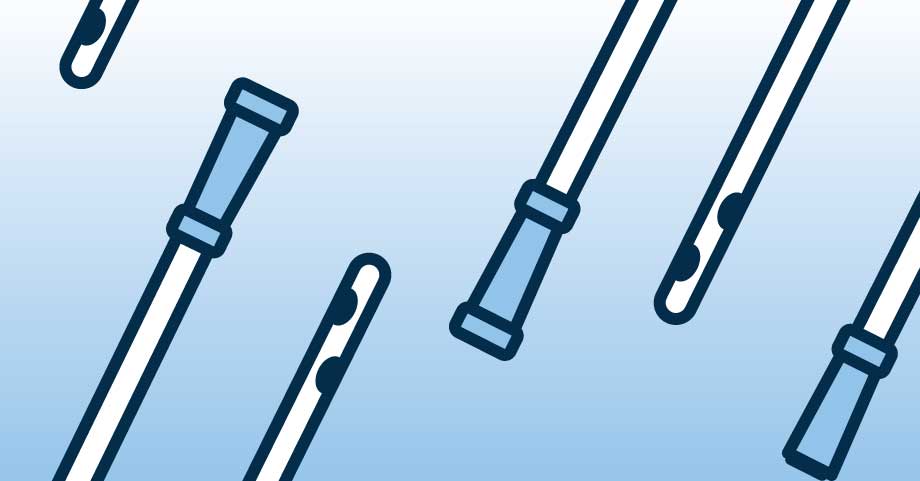
A standout feature of intermittent catheters is the drainage eyelets near the tip. These eyelets are positioned about ½ to 1 inch from the end and are usually staggered to help urine flow smoothly. Most eyelets are polished to ensure they are gentle on the urethra, reducing the risk of micro-abrasions. Some catheters even have fire-polished eyelets, making them smoother and easier to insert.
Understanding intermittent catheters’ different types and features can help users and caregivers make informed decisions. Following proper usage guidelines, including the single-use rule, is essential to maintain hygiene and prevent infections. Individuals can manage their urinary conditions more effectively and comfortably by selecting the right type and size of the catheter. Intermittent catheters are indispensable in providing relief and maintaining a good quality of life for those who need them.
Straight Tip Catheters
Straight intermittent catheters, often referred to as straight or male catheters, are essential tools for individuals with neurogenic bladder or other conditions impairing bladder function. These catheters effectively drain the bladder, providing a crucial solution for those who cannot urinate naturally.
Straight-tip catheters are available in various materials, including plastic (PVC), silicone, and red rubber. The most common are non-coated, smooth PVC catheters with staggered eyelets for efficient drainage. These eyelets are typically polished, with some models featuring fire-polished eyelets, which many users find offer the best performance and comfort.
The most popular straight-tip intermittent catheters (ICs) are plastic, non-coated (not hydrophilic), and have staggered polished eyelets. Users must apply a separate catheter lubricant before use for these non-lubricated catheters to ensure smooth insertion and minimize discomfort.
Straight-tip catheters come in either straight or curved packaging. In the curved packaging, the catheter is folded in the middle, making it more compact and convenient to carry. These catheters are also available in various lengths to accommodate male, female, and pediatric needs, and they come in a range of French sizes. The French size measures the inside diameter of the tube, with the funnel of most brands color-coded to indicate the specific size.
One of the most popular straight catheters S2 Medical Supply patients use is the Cure Medical straight non-lubricated catheter. People highly regard these catheters for their reliability and ease of use. Straight intermittent catheter kits are available, providing all necessary supplies in one convenient package.
Coude Tip Catheters
Coude catheters cater to male patients encountering challenges with straight intermittent catheters due to anatomical obstructions or urethral strictures. These catheters feature a bent tip, which helps navigate around such blockages and are used almost exclusively by men. Medicare imposes significant clinical thresholds for coverage, primarily requiring a documented obstruction that prevents using a straight catheter.
One common obstruction that necessitates the use of a coude catheter is benign prostatic hypertrophy, an enlargement of the prostate gland. This condition can alter the anatomical position of the urethra, making it difficult to insert a straight catheter. Coude catheters have a distinctive stripe running from the tip to the funnel, indicating the direction of the bend. This guide stripe allows the user to orient the catheter correctly, ensuring it can navigate around the prostate or stricture without causing injury.
Using a coude catheter is akin to driving through a roundabout. If you go straight, you risk damaging the urethra, but a slight turn following the guide stripe allows the catheter to bypass the obstruction and reach the bladder. This design makes coude catheters particularly useful for men with anatomical challenges that straight catheters cannot overcome.
Urethral strictures, which can result from previous surgeries or congenital abnormalities, are another reason coude catheters may be necessary. However, such strictures are less common in females, and thus, the need for coude catheters in women is rare.
Coude catheters are available in various French sizes and are typically 16 inches long. Many users find that hydrophilic coatings on these catheters facilitate smoother passage through the urethra, especially around obstructions. Like all intermittent catheters, these ensure sterility and reduce the risk of infection by being designed for single use.
Once it reaches the bladder, the process of using a coude catheter is similar to using a straight catheter. It involves the same steps for draining the bladder and subsequent removal. Proper orientation and insertion technique are crucial to avoid complications and ensure adequate bladder drainage.
Hydrophilic Catheters
Hydrophilic catheters represent a significant advancement in urinary catheter technology, offering a smoother and more comfortable experience than standard catheters with external lubricants. The key feature of these catheters is their hydrophilic coating, which makes them exceptionally slippery when activated by water.
The term “hydrophilic” means “water-loving.” A meticulous manufacturing process applies a unique hydrophilic coating to the surface of these catheters. This process is time-consuming and highly regulated by the FDA to ensure the highest safety and effectiveness standards. When exposed to water, the hydrophilic coating creates a lubricated surface, dramatically increasing the catheter’s slipperiness or lubricity.
Lubricity, a measure of the slippery surface, is crucial for catheters. A higher lubricity reduces the friction encountered during catheterization, making the process much smoother. The hydrophilic coating can increase the catheter’s lubricity by up to 200%, significantly reducing the friction as the catheter is inserted through the urethra and into the bladder. This reduction in friction is associated with less urethral tissue trauma, resulting in a more comfortable and pleasant catheterization experience.
Using hydrophilic catheters streamlines the catheterization process. When exposed to water, the catheter lubricates itself, eliminating the need for external lubricant. This makes the process cleaner and less time-consuming than non-coated intermittent catheters requiring manual lubrication before use.
Red Rubber Catheters

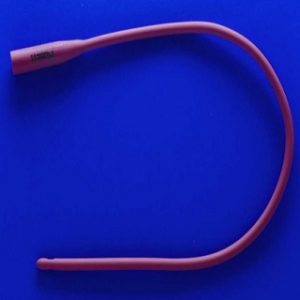
Red rubber catheters are a type of urinary catheter containing latex, providing flexibility and a soft feel for comfortable urinary catheterization of the bladder. Users often appreciate the comfort produced by the soft feel during insertion through the urethra. On a scale of 1 to 10, where 1 is the softest and most flexible and 10 is the firmest and least flexible, red rubber catheters would be closer to 1. Trusted brand names of high-quality red rubber catheters include Bard, Covidien, Rusch, Hollister, and Medline. These brands offer catheters in several French sizes, from 8 French to 30 French, catering to different needs and preferences.
Usage and Varieties
Most catheter users find these catheters more challenging to insert due to their very flexible nature, which can make them harder to guide than firmer types. This increased flexibility, while enhancing comfort, has contributed to a decline in their popularity. Red rubber catheters are available in straight-tip and coude tip varieties, as well as models with one-eye or two-eye configurations for drainage. These catheters are frequently used in VA Hospitals, reflecting their reliability and the comfort they offer to patients.
Female Catheters
Female intermittent catheters are explicitly designed for women who need assistance with urination. These catheters are shorter than male catheters, typically 5 to 8 inches long. The choice of length is primarily a matter of personal preference and brand availability rather than any precise medical measurement.
When selecting a catheter, the size is usually determined by what samples are available at the doctor’s office. Standard sizes include 12 or 14 French, but physicians don’t take specific urethral measurements to decide the needed size. For many women, especially those who are paraplegic or quadriplegic, the choice of catheter often depends on the spinal cord injury (SCI) rehabilitation center they attended.
Female catheters come in a variety of types, including non-lubricated, pre-lubricated, and hydrophilic options:
- Non-Lubricated Catheters: These dry plastic tubes require a water-based gel lubricant to reduce friction during insertion. Without lubrication, these catheters can cause discomfort as they pass through the urethra.
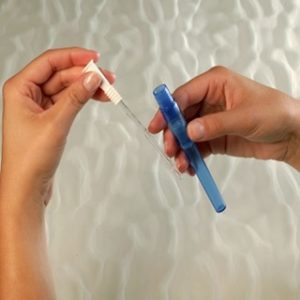
- Pre-Lubricated Catheters: These come with the lubricant already applied, making them ready to use immediately upon opening the package. The packaging often resembles a slightly elongated lipstick tube for convenience. A popular model in this category is the Cure Twist, which is easy to use by simply twisting off the caps.
- Hydrophilic Catheters: These catheters have a unique hydrophilic coating that becomes incredibly slick when activated by sterile water or saline. They are said to be 200 times more lubricious than dry catheters with added lubricant, offering a smoother and more comfortable insertion experience.
Female intermittent catheters offer different funnel options. Some include color-coded funnels for easier identification, while others provide a “no funnel” option some women prefer. All female urinary catheters feature a straight tip, and female patients rarely need a coude (curved) tipped catheter. In cases where a coude catheter is necessary, Medicare mandates extensive medical documentation for coverage in female patients.
Understanding female intermittent catheters’ diverse options and features empowers users and caregivers to make informed decisions. Choosing a suitable catheter can significantly enhance comfort and ease of use, simplifying the daily management of urinary needs.
Pediatric Catheters
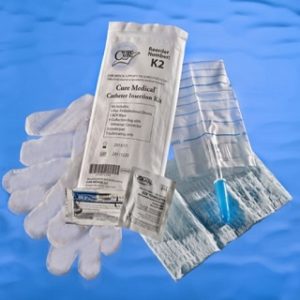
Pediatric intermittent catheters are designed specifically for children who require assistance with urination, sharing many of the same physical characteristics as adult catheters but tailored to be more suitable for pediatric use. These catheters are typically 10 inches long and come in smaller French sizes, ranging from 5 to 12.
The primary difference between pediatric and adult intermittent catheters is the length and size, ensuring a better fit for a child’s anatomy. Choosing the correct French size is crucial for comfort and effectiveness, and healthcare providers usually guide this selection based on the child’s needs.
A critical consideration in pediatric catheter use is latex allergies, which are common among children with spina bifida. Since most spina bifida patients are allergic to latex, it is essential to note this in their medical records/inform your account manager of this allergy. This precaution helps to avoid inadvertently using latex-containing products, which could trigger severe allergic reactions.
Closed System Catheters and Catheter Kits

Closed-system catheters are specially designed medical devices that help reduce the risk of urinary tract infections (UTIs) during catheterization. These systems are particularly beneficial for individuals who frequently develop UTIs. The unique design of closed-system catheters includes a catheter housed inside a collection bag, ensuring urine is collected directly without any contact with external surfaces. The key feature of closed-system catheters is the special tip to introduce the catheter into the urethra. This tip enters the urethra first, allowing the catheter to bypass the urethral opening, where bacteria are most concentrated. Doing so minimizes the risk of introducing bacteria into the urinary tract. Additionally, the “no-touch” design means that the catheter does not come into contact with the individual’s hands, further reducing the likelihood of contamination.
Hygienic and Convenient Usage
When using a closed system catheter, the process is straightforward and hygienic. The special tip guides the catheter into the urethra, allowing urine to flow directly into the collection bag. After completing catheterization, you can safely dispose of the entire system, maintaining sterility throughout the procedure. The primary reason for using a closed-system catheter is to prevent the repeated development of urinary tract infections. This catheterizing system is “closed” because it effectively isolates the catheter and urine from potential contaminants. For individuals prone to UTIs, closed-system catheters offer a safer and more reliable solution for urinary management.

Foley Catheters (Indwelling Catheters)
Foley catheters, also known as indwelling catheters, are medical devices that drain urine from the bladder over an extended period, typically up to 30 days. Unlike intermittent catheters, Foley catheters remain in place, providing a continuous solution for urinary management.
The insertion process for Foley catheters is similar to that of intermittent catheters, with an added feature: a small balloon at the insertion end. Once inserted into the bladder, the catheter is inflated by injecting sterile saline through the tubing with an irrigation syringe. This inflated balloon gently holds the catheter in place within the bladder, ensuring it does not slip out.
A short length of tubing connects Foley catheters to a drainage collection bag, commonly called a bedside bag. This setup allows urine to continuously drain into the bag, which can be emptied as needed.
These types of catheters come in various materials, including latex, silicone-coated, pure silicone, and lubricant-coated options. They are available with balloons that can hold either 5-10cc or 30cc of sterile water, depending on the patient’s specific needs.
Typically, healthcare professionals, such as doctors or nurses, insert Foley catheters, ensuring that the procedure is done correctly and safely. This professional insertion helps reduce the risk of infection and ensures proper placement and functionality of the catheter.
Male External Catheters
Male external catheters, also known as condom catheters, are designed to assist men with permanent urinary incontinence by directing the flow of urine from a continuously draining bladder. These catheters are sheaths that fit over the skin of the penis, providing a non-invasive way to manage incontinence.
The most common type of male external catheter is the self-adhesive catheter. This type features a skin-friendly adhesive that, when rolled onto the penis, forms a secure seal to prevent urinary leakage. The adhesive ensures the catheter stays in place, making it reliable for daily use. You can wear external catheters for up to 24 hours, offering convenience and peace of mind.
These catheters come in various sizes and materials, including latex and silicone. However, most patients prefer self-adhesive silicone catheters due to their comfort and reduced risk of allergic reactions. Brands like Rochester Medical, Coloplast, and Hollister offer a range of styles, each with unique features to cater to different needs and preferences.
Using an external catheter is straightforward when applied correctly. Proper application is crucial to ensure the catheter stays in place and functions effectively, preventing leaks and maintaining comfort. For detailed instructions on how to use a male external catheter, refer to our other article.
Suprapubic Catheters
Suprapubic catheters are surgically inserted directly into the bladder through a small incision in the abdomen. Patients use this type of catheter when medical conditions like severe urethral strictures or certain surgeries make urethral catheterization impossible. Suprapubic catheters are suitable for long-term use and connected to a drainage bag, reducing the risk of urethral damage and providing an alternative for patients needing prolonged catheterization. Patients who require ongoing bladder management often prefer these catheters to avoid the discomfort and potential complications associated with urethral catheters.
Conclusion
Understanding the different types of urinary catheters and their specific applications is crucial for effective bladder management. By selecting the appropriate catheter type, individuals can improve their quality of life and reduce the risk of complications. Always consult healthcare providers to choose a suitable catheter tailored to individual needs and medical conditions. Whether you’re managing short-term urinary retention or long-term bladder issues, the right catheter can significantly affect comfort and overall health.
Ready to find the right catheter supplies for you or a loved one? Contact S2 Medical Supply today to discuss your options with our knowledgeable team and ensure you get the best fit for your needs.